







Search Results for: Green Coffee Bean Selection
Yirgacheffe Coffee Bean Guide: Origin Characteristics, Roast Level Selection, and Pour-Over Parameters Explained
Yirgacheffe is one of Ethiopia's most representative specialty coffee regions, known for its fresh lemon and citrus acidity and delicate floral aromas. This article analyzes the core characteristics of this bean layer by layer, from its origin background, green bean grading, and roast level selection to pour-over parameters. Yirgacheffe green beans are small in shape and emerald green in color. Washed G2 is the traditional highest grade, and G1 is now also available on the market. In terms of roasting, cinnamon roast or medium roast best preserves its citrus acidity and floral aroma, while a darker roast masks its fresh character. For pour-over, it is recommended to use a high temperature above 90°C and extend the bloom to 20–30 seconds to fully release the flavors. Front Street Coffee recommends interpreting Yirgacheffe through pour-over. Compared with competition-style brewing or a French press, the clarity brought by pour-over better showcases its delicate layers. [more…]
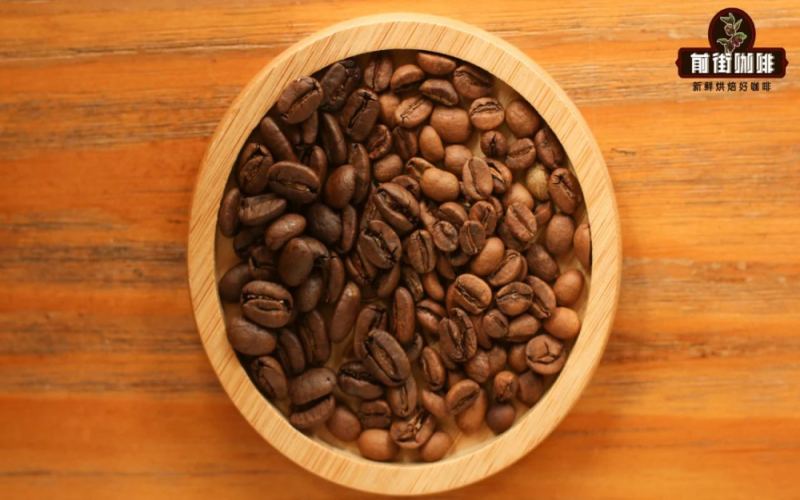
How Roasting Shapes Coffee Flavor: The Four Elements of Bitterness, Acidity, Body, and Sweetness Plus a Bean Selection Guide
The color, aroma, and taste presented in a coffee cup are not inherent to the green beans, but rather the product of a series of chemical reactions during the roasting process. These reactions revolve around four basic taste dimensions and one olfactory experience: bitterness, acidity, body, sweetness, and the distinctive aroma of coffee. Understanding the sources of these four tastes and one aroma helps to more clearly grasp the logic behind coffee flavor composition. On this basis, starting from the degree of roasting, coffee beans can be divided into two major directions: floral-fruity notes and nutty notes. The former mostly corresponds to light to medium roasts, while the latter is commonly found in medium to dark roasts. This article explains these flavor elements one by one, and provides specific bean selection recommendations for the Front Street brand according to different taste preferences. [more…]

COE Cup of Excellence vs. SOE Single-Origin Espresso: A Coffee Guide from Green Bean Competitions to Espresso Extraction
In the world of specialty coffee, the two English abbreviations COE and SOE often confuse enthusiasts—they appear similar but actually point to completely different domains. COE stands for Cup of Excellence, the world's most authoritative specialty green coffee competition, first held by the Alliance for Coffee Excellence in Brazil in 1999 and since expanded to Colombia, Guatemala, Panama, and many other producing countries. SOE, on the other hand, is short for Single Origin Espresso, referring to espresso made from single-origin coffee beans. This article will systematically sort out the essential differences between the two from the perspectives of competition systems, judging procedures, and extraction characteristics, and explore the common question of whether SOE is necessarily superior to blended espresso. [more…]
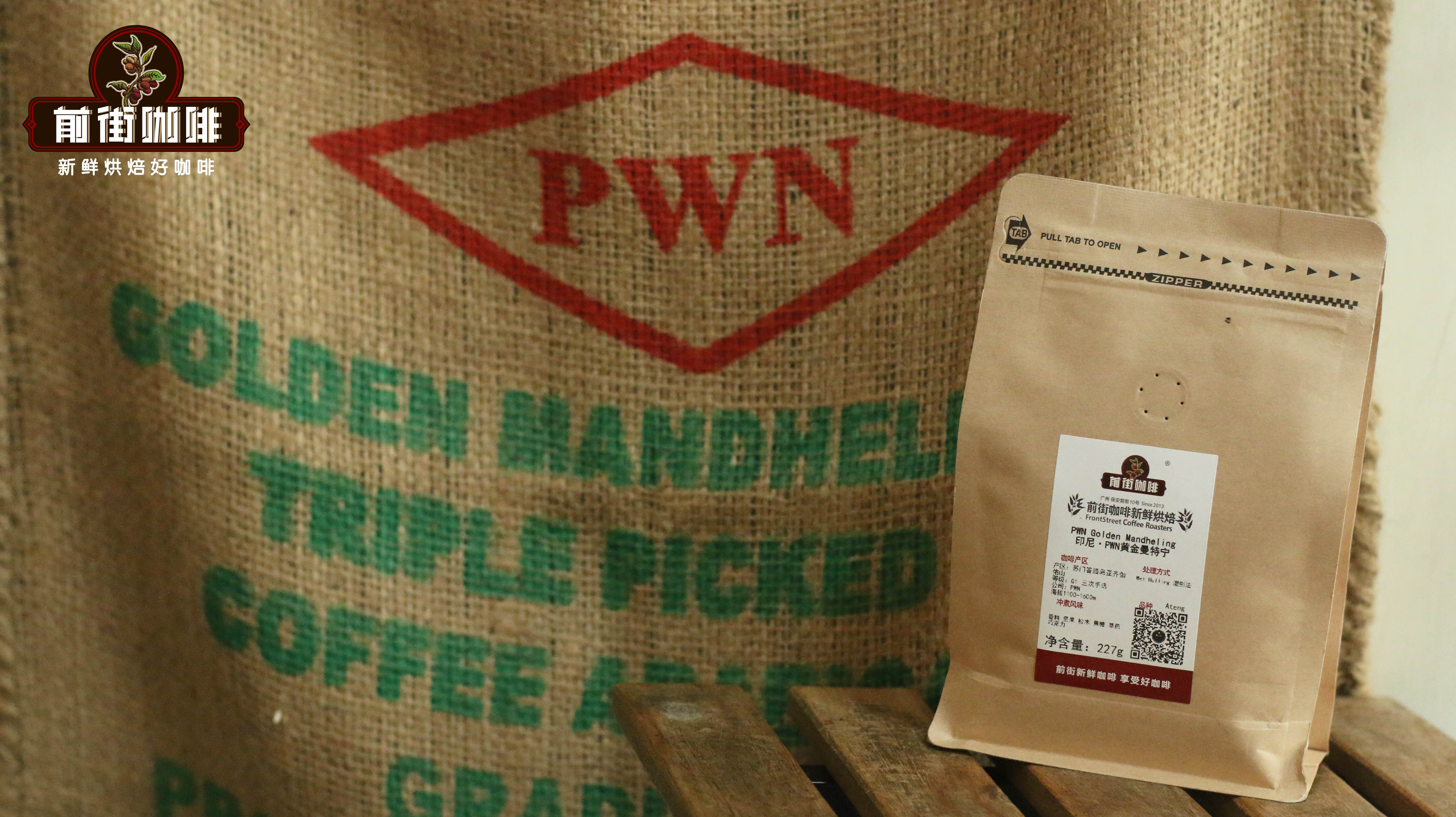
Indonesian Mandheling Pour-Over Techniques in Detail: A Complete Guide to Rich Flavor from Bean Selection to Extraction
Mandheling is one of Indonesia's most representative specialty coffees, and its distinctive herbal and spicy notes have captivated countless coffee lovers. Yet many people, when brewing it by hand at home, often extract nothing but a monotonous bitterness, finding it hard to recreate the rich, sweet, mellow cup of Mandheling served in cafés. Just what part of the process is going wrong? Taking Front Street Golden Mandheling as an example, this article breaks down the complete essentials of hand-brewing Mandheling one by one—from bean freshness and origin processing methods to coffee-to-water ratio, grind size, water temperature control, dripper selection, and pulse pouring technique—to help you brew a clean, rich, and sweet Golden Mandheling black coffee with a long-lasting finish. [more…]
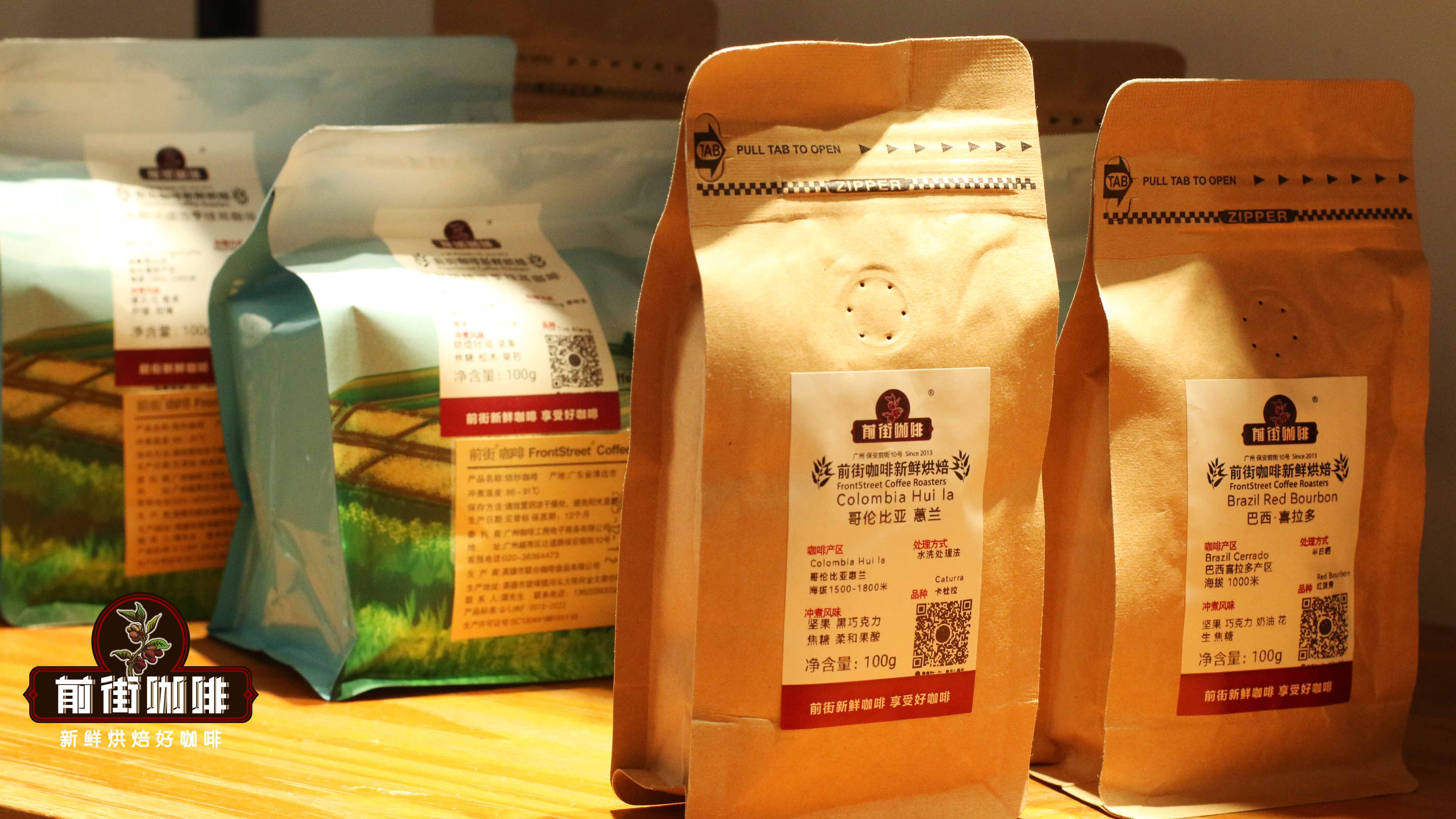
A Complete Guide to Coffee Bean Varieties and Storage Methods: From Beginner Pour-Over to Advanced Single-Origin Selection
For those just getting into pour-over coffee, choosing the right beans is the first step. The Front Street everyday drinking series is great for daily practice and flavor tasting, while more advanced brewers can try single-origin beans with more distinctive flavors. Beyond bean selection, storing coffee beans is equally crucial—light, temperature, and oxygen are all silent killers of freshness. This article will systematically introduce the characteristics of common pour-over coffee bean types, explain in detail the key points for storing roasted beans and green beans, the pros and cons of different storage containers, and the difference between the peak flavor period and the shelf life, helping you brew consistently great coffee at home. [more…]
In-House Roasting Café Green Bean Sourcing and Inventory Management in Practice: Cost Control, Partnership Strategies, and Espresso Blend Bean Selection Guide
For a coffee shop that roasts its own beans, having the roaster in place is only the starting point; what truly determines the quality of the final product is the quality of the green beans and the roasting craft. Green bean costs often account for a significant proportion of initial operating expenses, so how to choose the right items, control inventory, maintain stable supply, and leverage peer cooperation to lower the threshold for acquiring specialty beans is a challenge every operator must face. Starting from the cost structure of green beans, this article sorts out the three major purchasing points for basic espresso blend beans, explores the value of establishing horizontal partnerships, offers practical suggestions for display and storage, and finally includes flavor descriptions of several Front Street espresso blend beans for coffee shops with different positioning to reference when selecting beans. [more…]
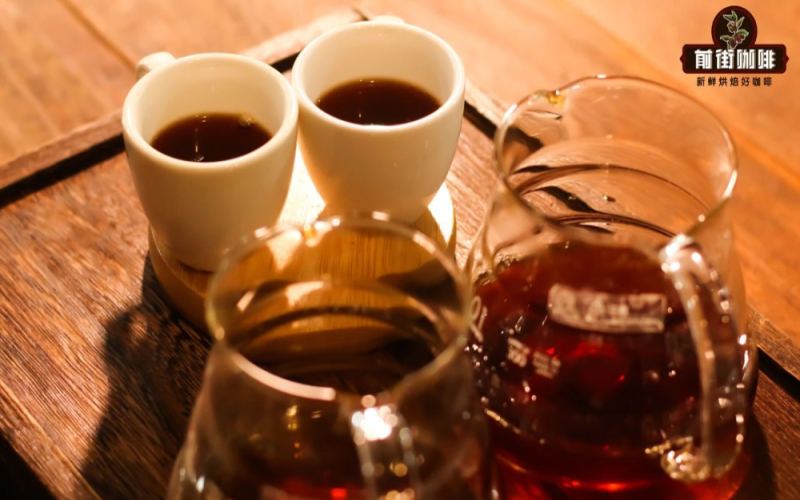
How should you brew Blue Mountain black coffee to make it taste best? A complete guide from bean selection to extraction.
Blue Mountain coffee is renowned for its balanced, mellow taste; its dark chocolate notes, gentle fruit acidity, and lingering sweet aftertaste captivate many coffee lovers. But to truly bring out the layers of Blue Mountain coffee, every step matters, from bean selection and roast level to grinding, water temperature, and pouring rhythm. This article uses the washed Blue Mountain No. 1 from Clifton Estate sold by Front Street Coffee as an example to walk through the complete brewing process, from green bean characteristics and roasting approach to café output parameters, helping you recreate the smooth, solid classic taste of Blue Mountain coffee at home. [more…]
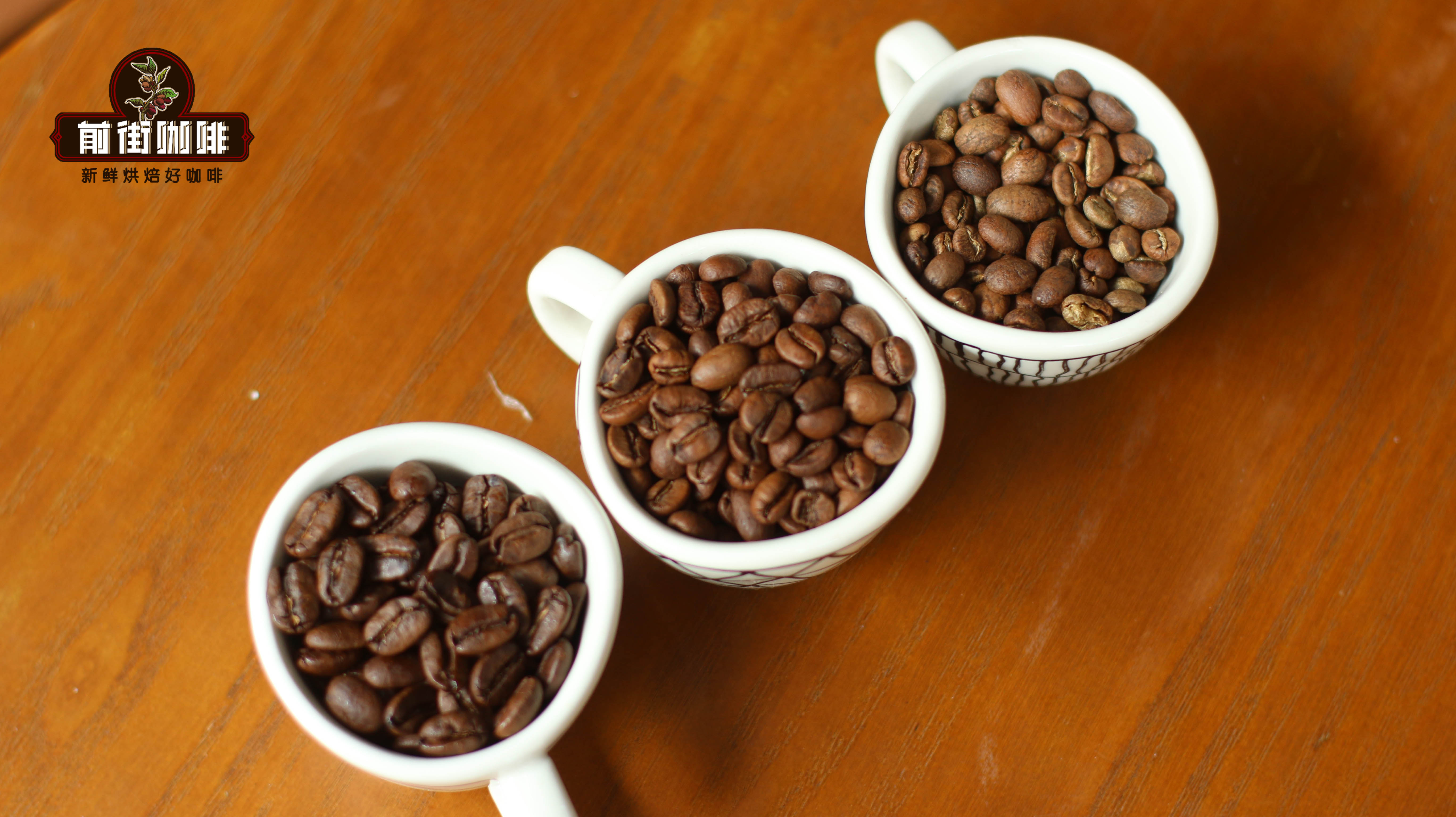
The Complete Guide to Pour-Over Dark Roast Coffee: From Bean Selection to Pouring, Unlocking Rich Sweetness and a Solid Body
The charm of dark roast coffee lies in its rich, solid mouthfeel and its sweet finish reminiscent of nuts, chocolate, and caramel. However, to brew these essences out, the parameters and techniques need special adjustments. This article takes Front Street Golden Mandheling as an example, analyzing the details of each step one by one—from coffee bean freshness, the flavor formation of wet-hulled processing, and PWN company's quality control, to the coffee-to-water ratio, grind size, water temperature, dripper selection, and the three-pour pouring technique. Whether you want to enhance the sweetness of dark roast beans or pursue a rounder body, this café-level brewing plan can give you clear guidance. [more…]
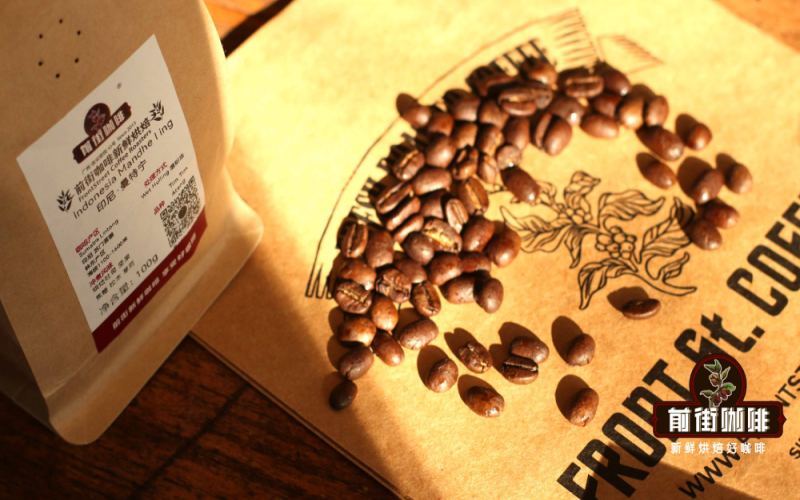
A Selection of Full-Bodied, Low-Acid Pour-Over Coffee Beans: An Analysis of Indonesian Mandheling Flavor and a Detailed Explanation of the Wet-Hulling Process
Looking for a pour-over coffee bean that's not acidic but rich and full-bodied? Front Street Indonesia Mandheling might just be your ideal choice. Mandheling has always been famous for its heavy body, smooth on the palate, with pronounced bitterness and richness, low acidity yet still retaining a lively hint of tartness, mingled with intense aroma and a faint earthy fragrance. This bean is processed using Indonesia's unique wet-hulling method, from depulping and pulping, soaking and washing, first drying, to collection, second drying, wet-hulling to remove the parchment, and finally drying and storage—every step shapes its distinctive character. The article will also recommend the finest among Mandheling beans—Front Street Golden Mandheling, sourced from Indonesia's PWN green bean company, outstanding in both flavor intensity and cleanliness, worthy of being called the king of Mandheling. [more…]
Indonesian PWN Golden Mandheling Coffee Full Analysis: Origin Story, Grade Standards, and Bean Selection Key Points
Mandheling coffee, with its rich, full-bodied style and long, sweet aftertaste, has become a classic that deep-roast enthusiasts cannot avoid. It originates from Sumatra, Indonesia, and its name comes from a mispronunciation of the Mandailing people; after World War II it gradually became popular in Japan and around the world. Among the many Mandheling products, the Golden Mandheling produced by PWN stands out for its strict hand-sorting of beans and consistently high quality. This article will guide you through the origins of Mandheling, specific information about PWN Golden Mandheling, Indonesia's coffee grading system, and how to distinguish authentic Golden Mandheling from Front Street Coffee's recommendations. [more…]
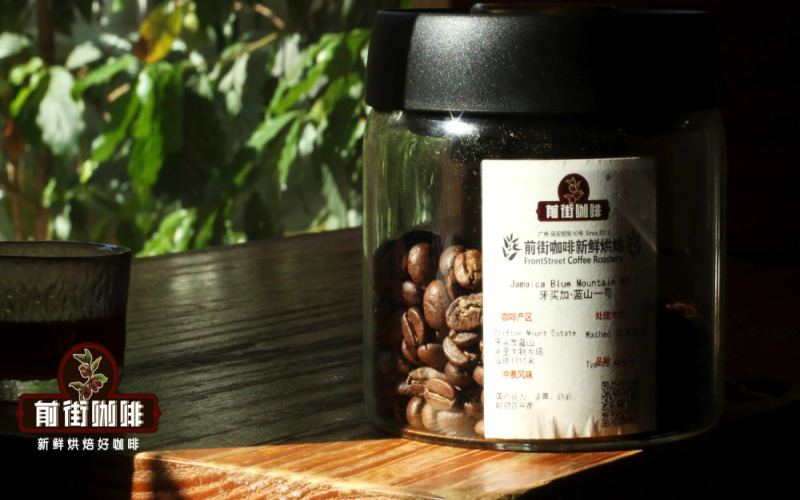
Pour-Over Coffee Bean Selection Guide: Blue Mountain No. 1 Flavor Characteristics and Front Street Brewing Parameters Explained
To make a delicious pour-over at home, choosing the coffee beans is the first step. Jamaica Blue Mountain is globally recognized as a premium coffee, and its Typica variety, volcanic soil, and island climate together shape a smooth, balanced flavor. Starting with Front Street Jamaica Blue Mountain No. 1, this article introduces the appearance characteristics of Blue Mountain green beans, grading standards, roasted bean yield, and its fusion of acidity, bitterness, sweetness, and mellow body. It also provides Front Street's KONO dripper brewing parameters and staged pouring technique, and recommends Front Street's fruity and floral beans such as Guodingding, Huakui, and Xizhua, as well as medium-dark roast options suitable for people who dislike acidity, helping you find a pour-over plan that suits you at home. [more…]
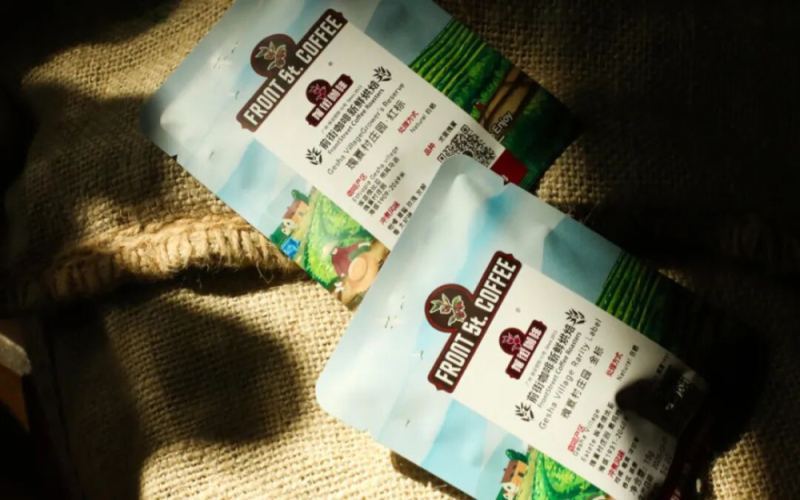
Pour-Over Coffee Bean Selection Guide: Tracing the Geisha Variety and Analyzing the Natural-Process Lot from Ethiopia's Gesha Village Estate
In the bean list for pour-over coffee, Geisha is always a name that cannot be avoided. This variety originated in Ethiopia, but rose to fame due to its discovery at Panama's Hacienda La Esmeralda. Today, Ethiopia's own Gesha Village Coffee Estate has also become a new focus in the specialty coffee world with its native germplasm and meticulous grading. From the perspective of Front Street Coffee, this article sorts out Geisha's migration path from the forest to the cup, compares Hacienda La Esmeralda's red, green, and blue label system with Gesha Village's grading logic of auction, gold label, red label, and Chaka lots, and explains in detail the flavor performance of Front Street's currently available Gesha Village gold label, red label, and Chaka natural Geisha, providing bean selection reference for pour-over enthusiasts. [more…]
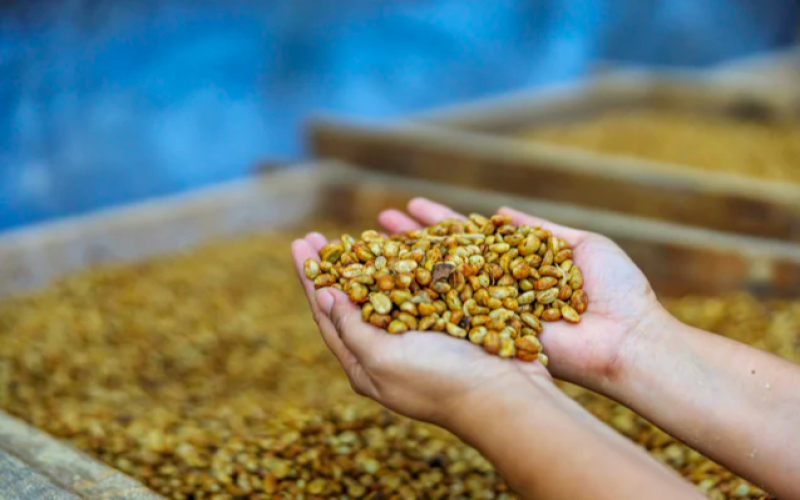
Colombian Coffee Grading System and Regional Flavor Analysis: From the Andes Mountains to Front Street Coffee's Huila Selection
Colombia, with the unique terroir of the Andes Mountains, has become a major producer of high-quality Arabica coffee worldwide. From the traditional MAM region to the specialty Huila region in the south, different altitudes and microclimates shape distinctive coffee flavors. The FNC implements strict grading of exported green beans, and standards such as Supremo and Excelso directly affect quality and traceability. Front Street Coffee uses washed Huila as a classic representative of Colombia, presenting a sweet, mellow cup with notes of nuts, dark chocolate, and caramel. This article systematically reviews Colombia's coffee-growing distribution, regional characteristics, and green bean grading rules, helping coffee enthusiasts gain a deeper understanding of the quality logic of this major South American coffee country. [more…]
Ethiopia Two-Region Showdown: Flavor Differences Between Sidamo and Yirgacheffe Coffee Beans and Front Street Coffee's Bean Selection Insights
As the birthplace of coffee, Ethiopia is home to a wealth of native varieties and regions each with their own distinct character. Sidamo and Yirgacheffe are two of the most talked-about names among them. The former is known for its diverse flavors and rich fruity notes, while the latter is famous for its signature citrus acidity and jasmine aroma. Drawing on Front Street Coffee's actual cupping and brewing, this article sorts out the differences between the two regions in terms of varieties, processing methods, and flavor presentation, and shares the specific performance of Front Street's Uraga TOH champion bean along with products such as Gudingding and Red Cherry, helping coffee lovers understand the stylistic boundaries of these two major regions more clearly. [more…]
Defining Golden Mandheling: Flavor Differences from Regular Indonesian Mandheling Coffee Beans and the Selection Process
Golden Mandheling is often mistaken for Aged Mandheling, but in fact it is a specialty coffee produced by Indonesia's Pwani Coffee Company (PWN). PWN is a well-known local Mandheling buyer that controls most of Indonesia's high-quality producing regions. Its green beans undergo multiple rounds of manual sorting, and only plump, flawless beans earn the name "Golden Mandheling." Ordinary Mandheling has a relatively high defect rate and its bean shape is not particularly attractive, yet after roasting it displays a full and alluring appearance. This article will explain in detail what Golden Mandheling means, compare its flavor differences with ordinary Indonesian Mandheling, and mention related recommendations from Front Street Coffee. [more…]

How to brew Blue Mountain coffee correctly? A complete practical guide from bean selection to extraction
Blue Mountain coffee is renowned for its balanced, mellow body; its notes of dark chocolate, gentle fruit acidity, and caramel sweetness leave countless coffee lovers enchanted. But if you truly want to taste the layered complexity of Blue Mountain coffee, every step matters—from bean selection and grinding to water temperature and pouring technique. Using Front Street Coffee's Clifton Estate Washed Blue Mountain No. 1 as an example, this article breaks down the bean's origin background, roasting approach, and pour-over parameters in detail, and provides a complete café-level extraction process to help you consistently recreate the classic, solid flavor profile of Blue Mountain coffee at home. [more…]
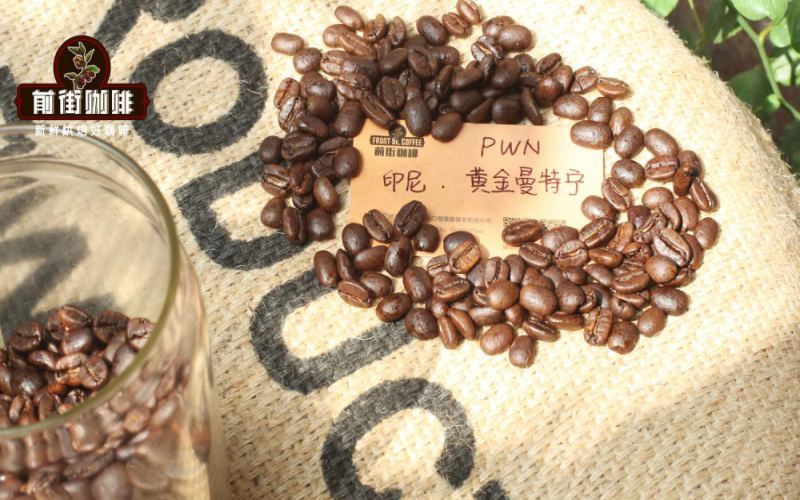
Indonesian Golden Mandheling Coffee Beans Origin and Flavor Analysis: Grade Standards, Wet-Hulling Process, and Front Street PWN Selection
Golden Mandheling is one of the most representative coffees from the Sumatra region of Indonesia, renowned for its full-bodied mouthfeel and distinctive flavor. This article starts with the PWN Golden Mandheling sourced from Front Street Coffee, providing a detailed introduction to the geographical background of its origin at Mount Gayo and Lake Tawar, the stringent standards of its G1 grade and triple hand-sorting, an analysis of the origins and characteristics of the Ateng variety, and an in-depth explanation of how Indonesia's unique wet-hulling process shapes Mandheling's signature goat-hoof-shaped green beans and clean sweetness. It also includes complete product information for Front Street Coffee's PWN Golden Mandheling, including region, altitude, processing method, and flavor description, offering coffee enthusiasts a professional and practical reference guide. [more…]
The Complete Guide to Brewing Golden Mandheling: From Bean Selection to Pouring, How to Brew a Rich and Full-Bodied Indonesian Flavor
Mandheling is one of Indonesia's most representative specialty coffees, renowned for its distinctive notes of herbs, spices, and cigar. Yet many enthusiasts, when brewing at home, taste nothing but a mouthful of bitterness and cannot find any of the aroma they experienced in the café. Taking Front Street Golden Mandheling as an example, this article breaks down the key details that make Mandheling taste better—from bean freshness, the flavor formation of wet-hulling, and PWN's rigorous screening, to the coffee-to-water ratio, grind size, water temperature, dripper selection, and the three-pour technique—to help you brew a cup of Golden Mandheling that is rich, clean, and with a lasting sweet aftertaste. [more…]
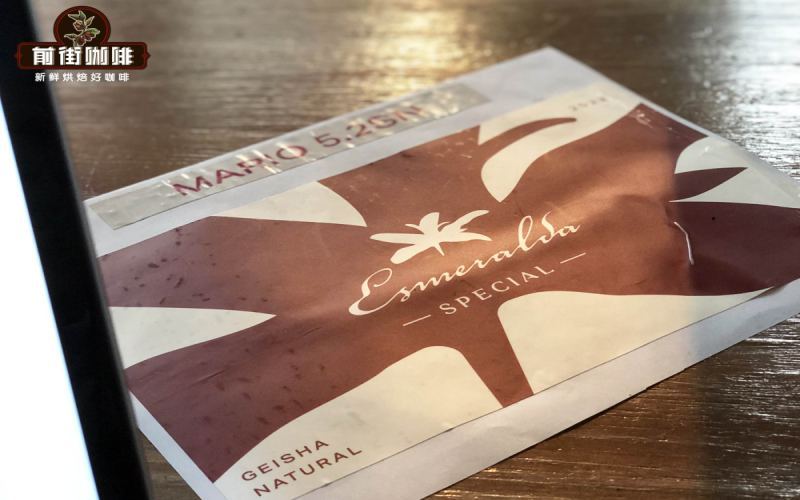
A Detailed Explanation of Hacienda La Esmeralda Geisha Red, Green, and Blue Label Grades: From Auction Legend to Front Street Coffee Bean Selection Guide
In the specialty coffee world, Geisha is almost synonymous with top-tier flavor, and Panama's Hacienda La Esmeralda is the driving force behind bringing this variety to legendary status. From its breakout performance at the 2004 BOP competition to repeatedly breaking auction price records, Hacienda La Esmeralda has defined the benchmark for Geisha with its unique terroir and processing techniques. This article will systematically sort out the history and differences between Hacienda La Esmeralda's Red Label, Green Label, and Blue Label, decode the flavor secrets of the three major plots—Jaramillo, Cañas Verdes, and El Velo—and share Front Street Coffee's brewing suggestions for Red Label and Green Label Geisha, helping coffee enthusiasts fully understand this legendary bean variety. [more…]
Beginner's Guide to Pour-Over Coffee: Arabica Bean Selection and Brewing Tips for Beginners
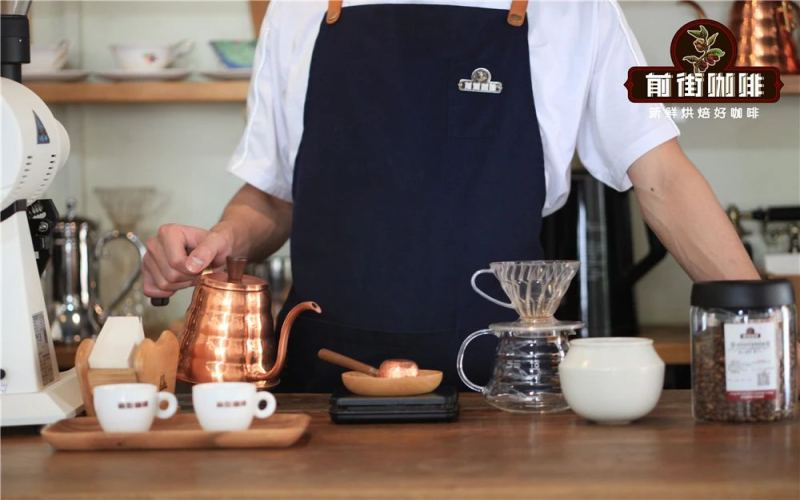
In recent years, the community of domestic coffee enthusiasts has continued to grow, and many people are no longer satisfied with buying ready-made coffee, but instead hope to brew a satisfying cup of black coffee with their own hands. Pour-over coffee may seem simple, but in reality, from bean selection and equipment preparation to extraction technique, every step affects the final flavor performance. For beginners who have just encountered pour-over, choosing coffee beans with high cost-effectiveness and strong flavor distinctiveness is especially critical. In this article, Front Street will systematically introduce the basic principles of pour-over coffee and the required equipment, and carefully select seven classic regional everyday beans, covering Ethiopia, Guatemala, Colombia, Brazil, Costa Rica, Indonesia, and Yunnan, China, to help beginners achieve stable extraction within the optimal tasting period and gradually build an understanding of the flavors of each region. [more…]